monologue about chernobyl
40 years after the disaster
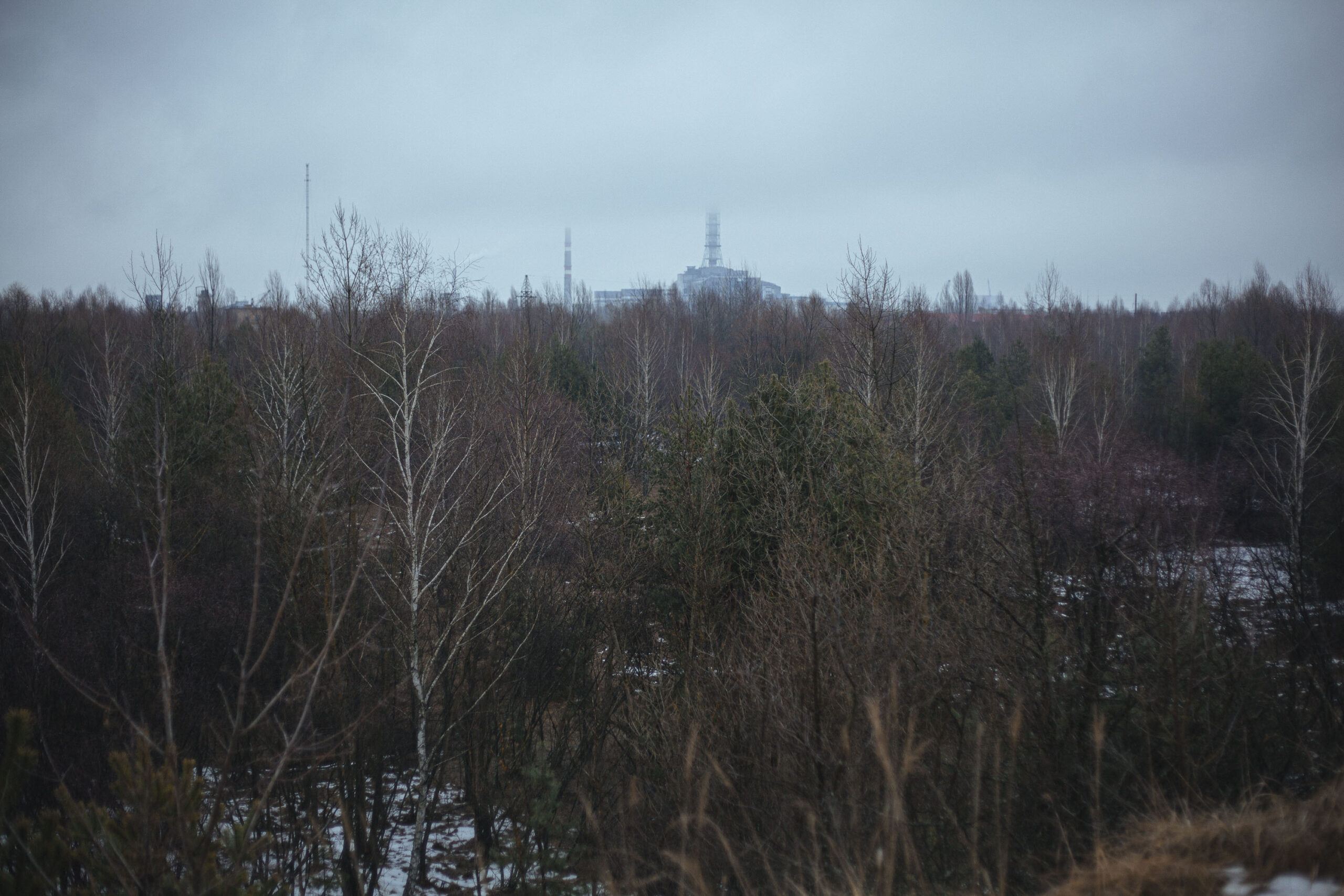
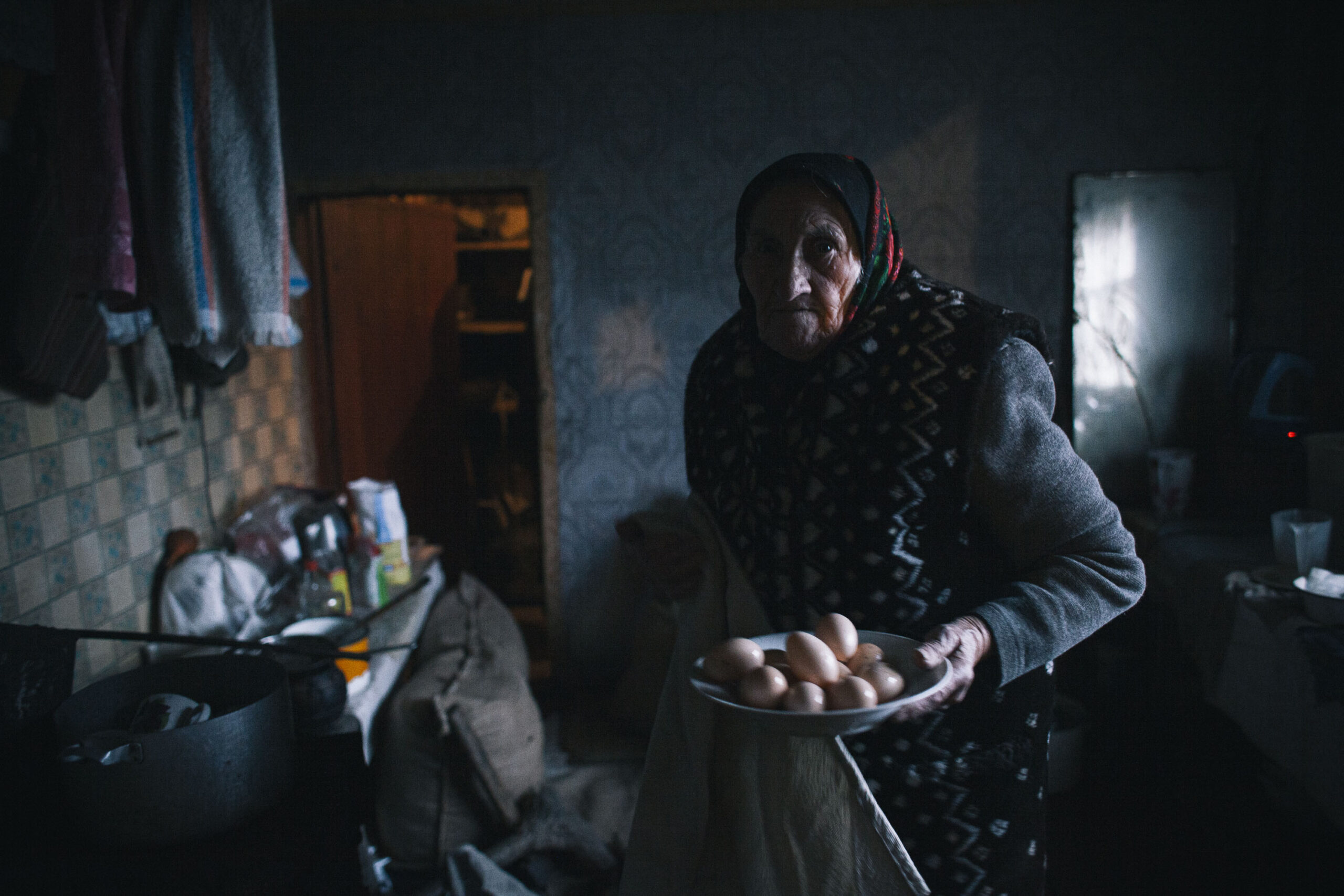
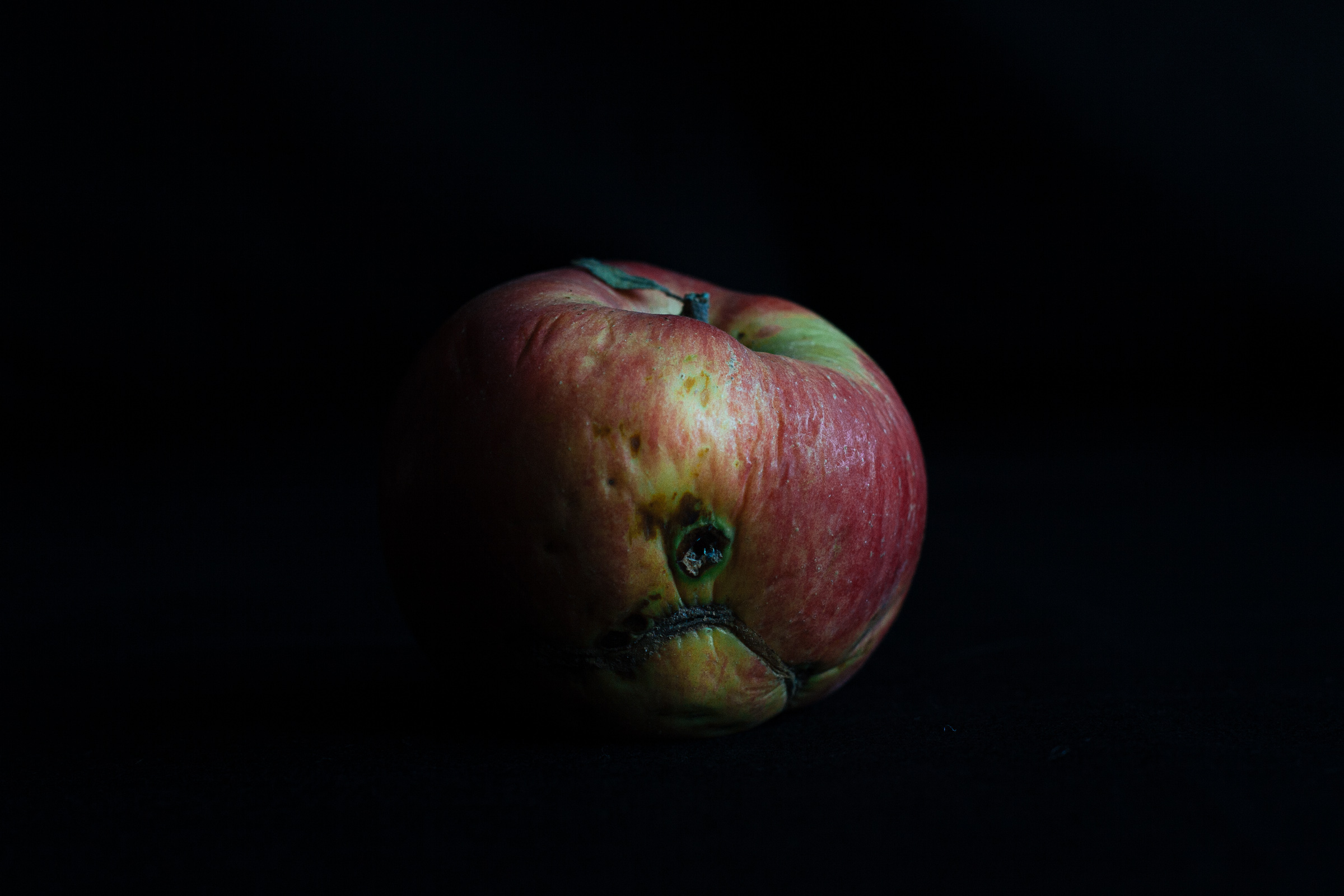
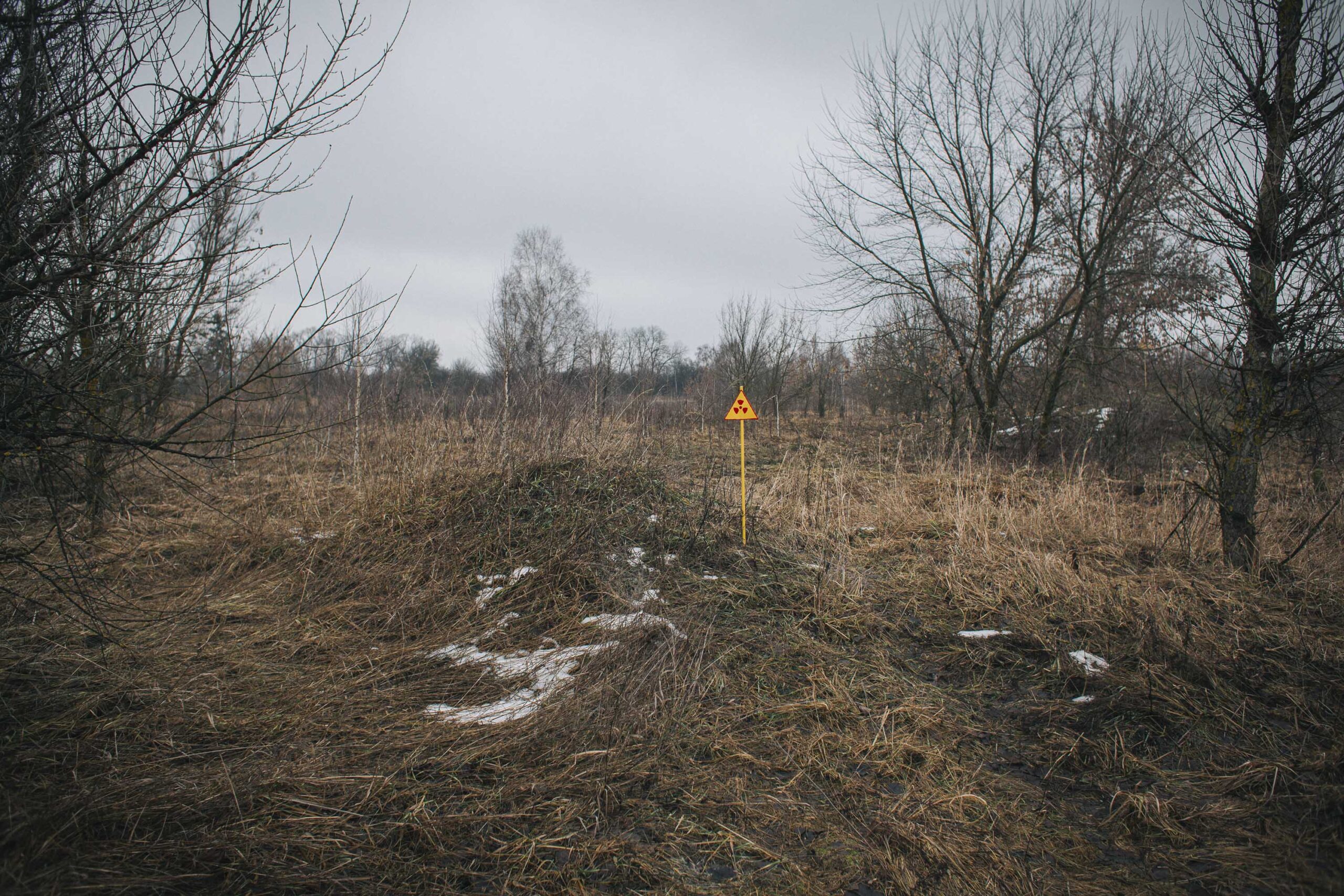
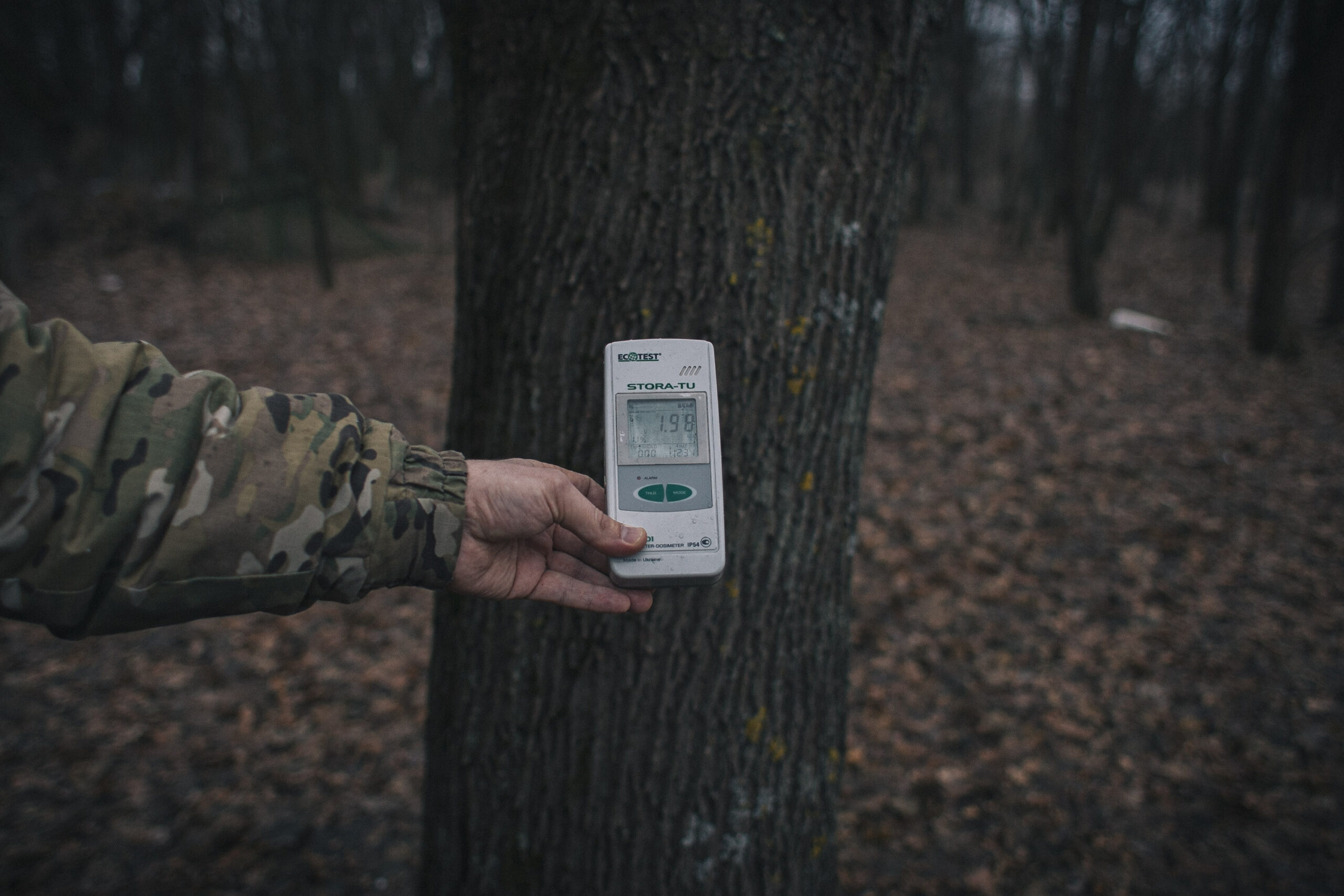
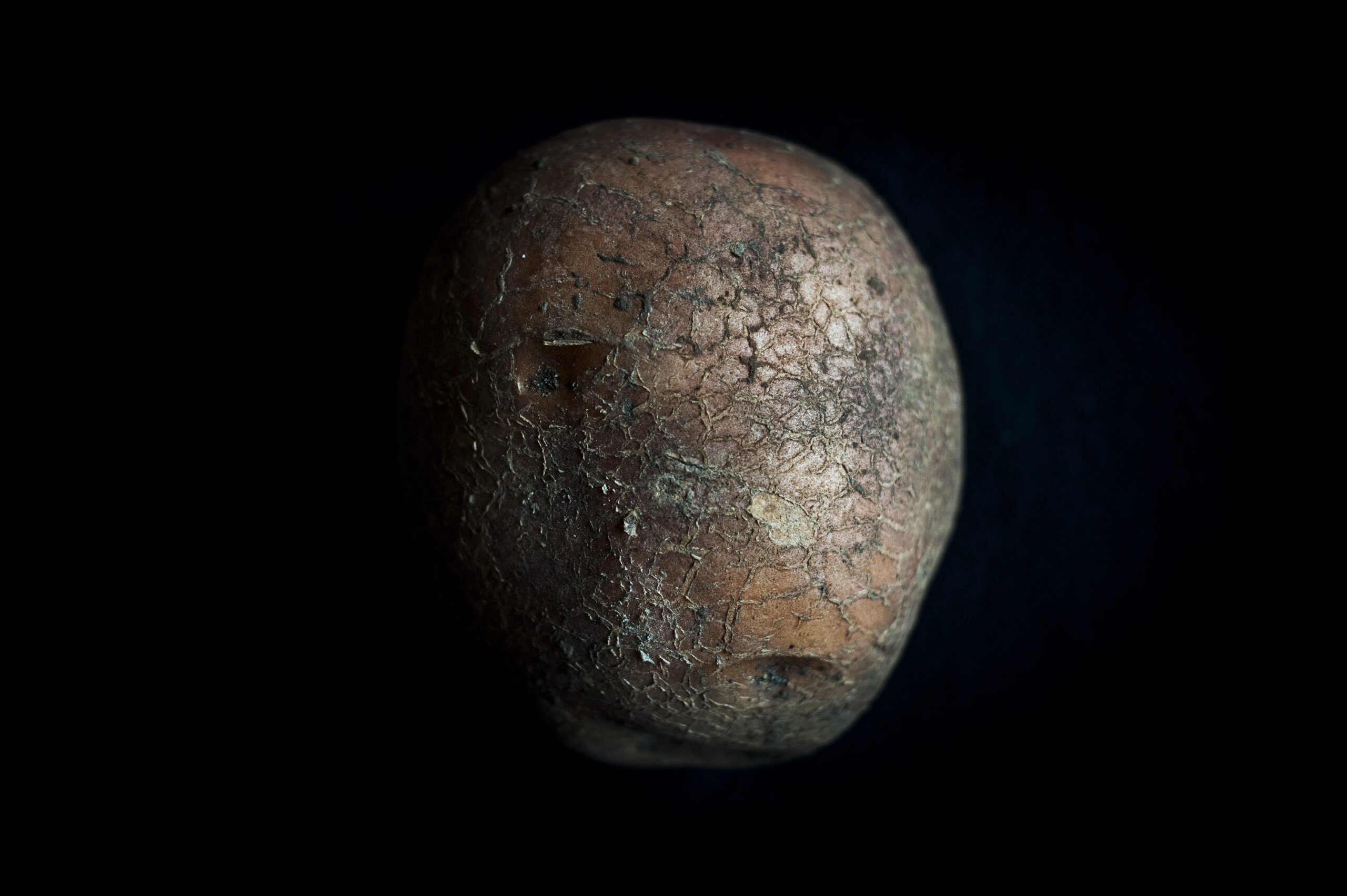
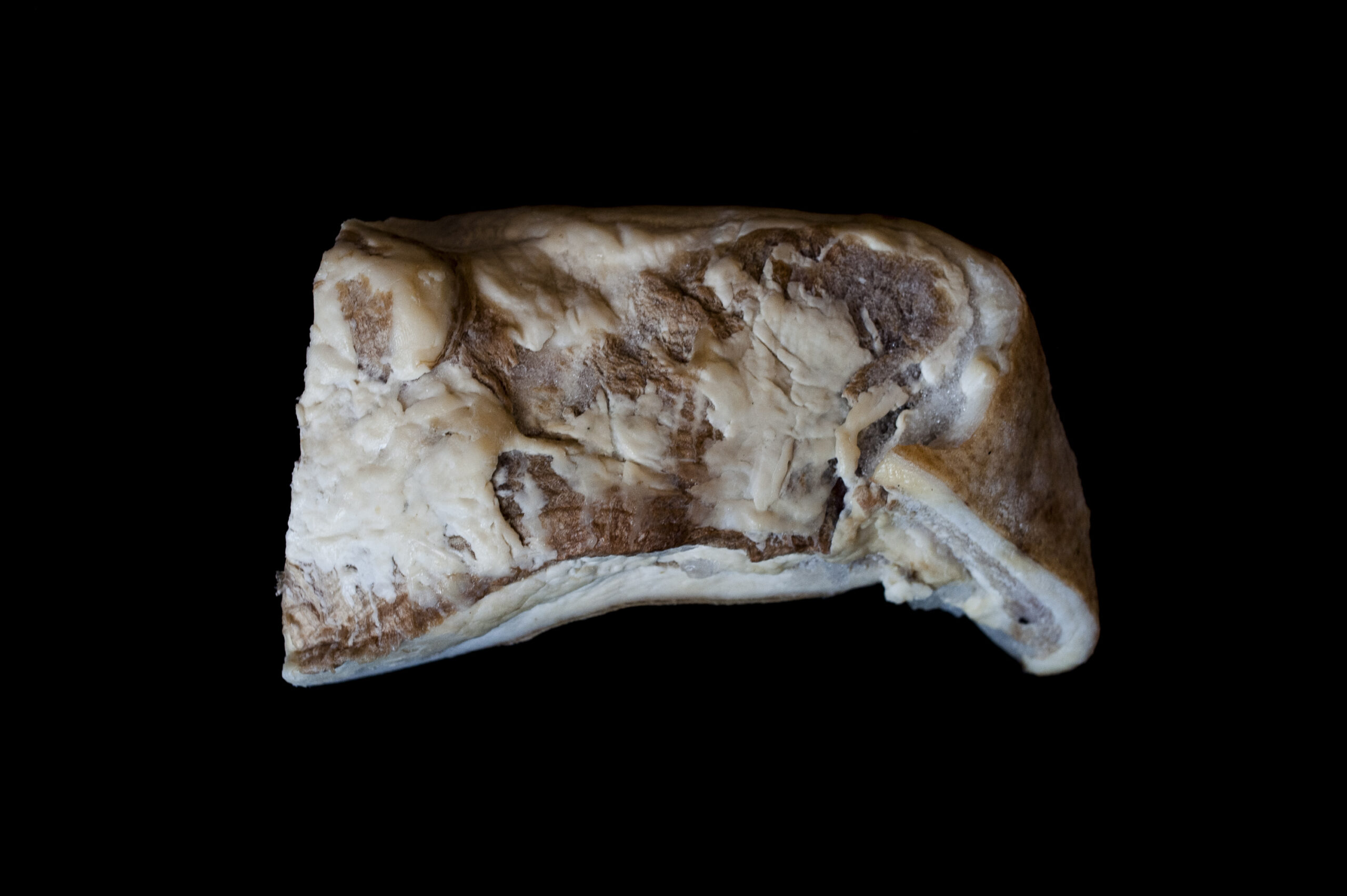
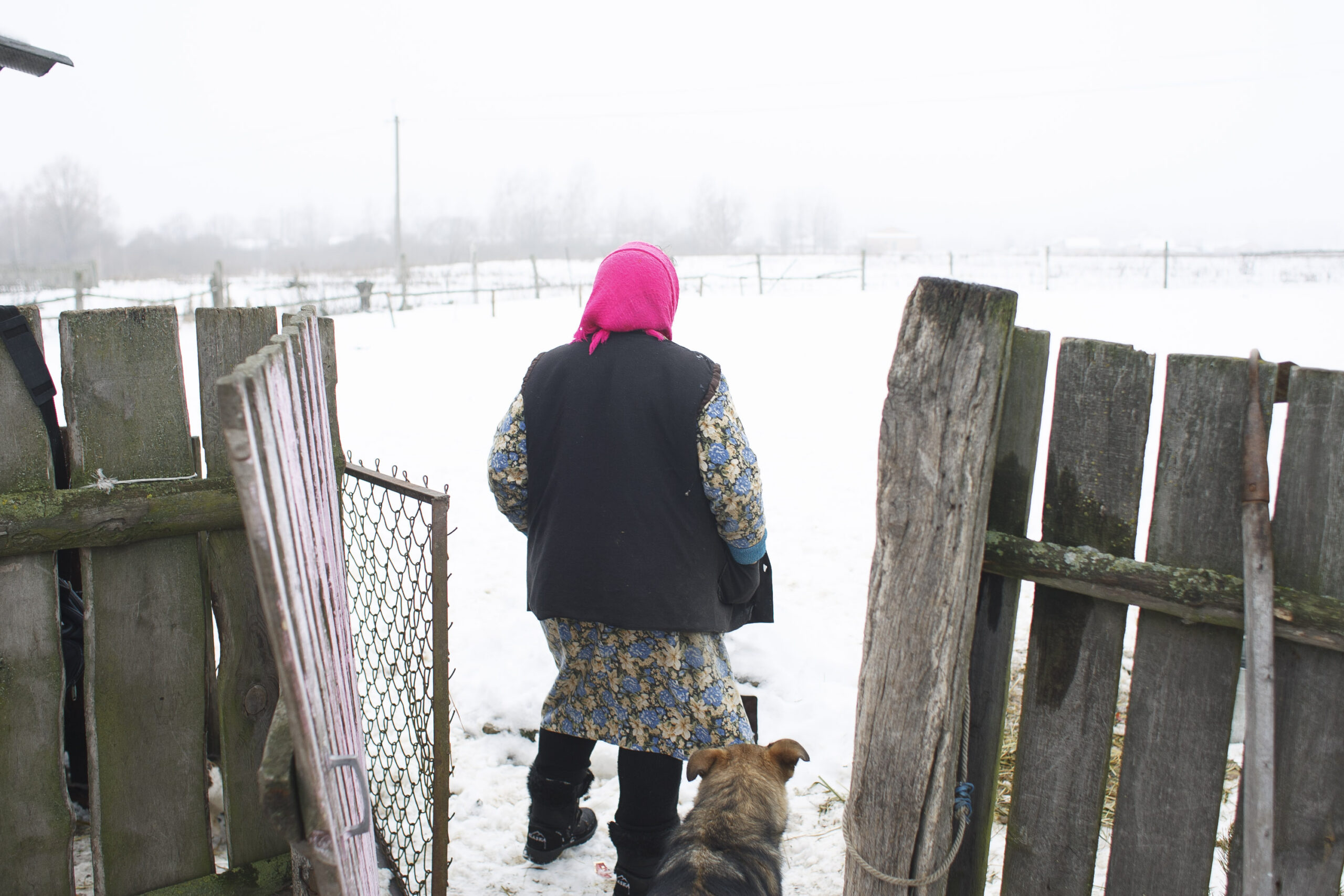
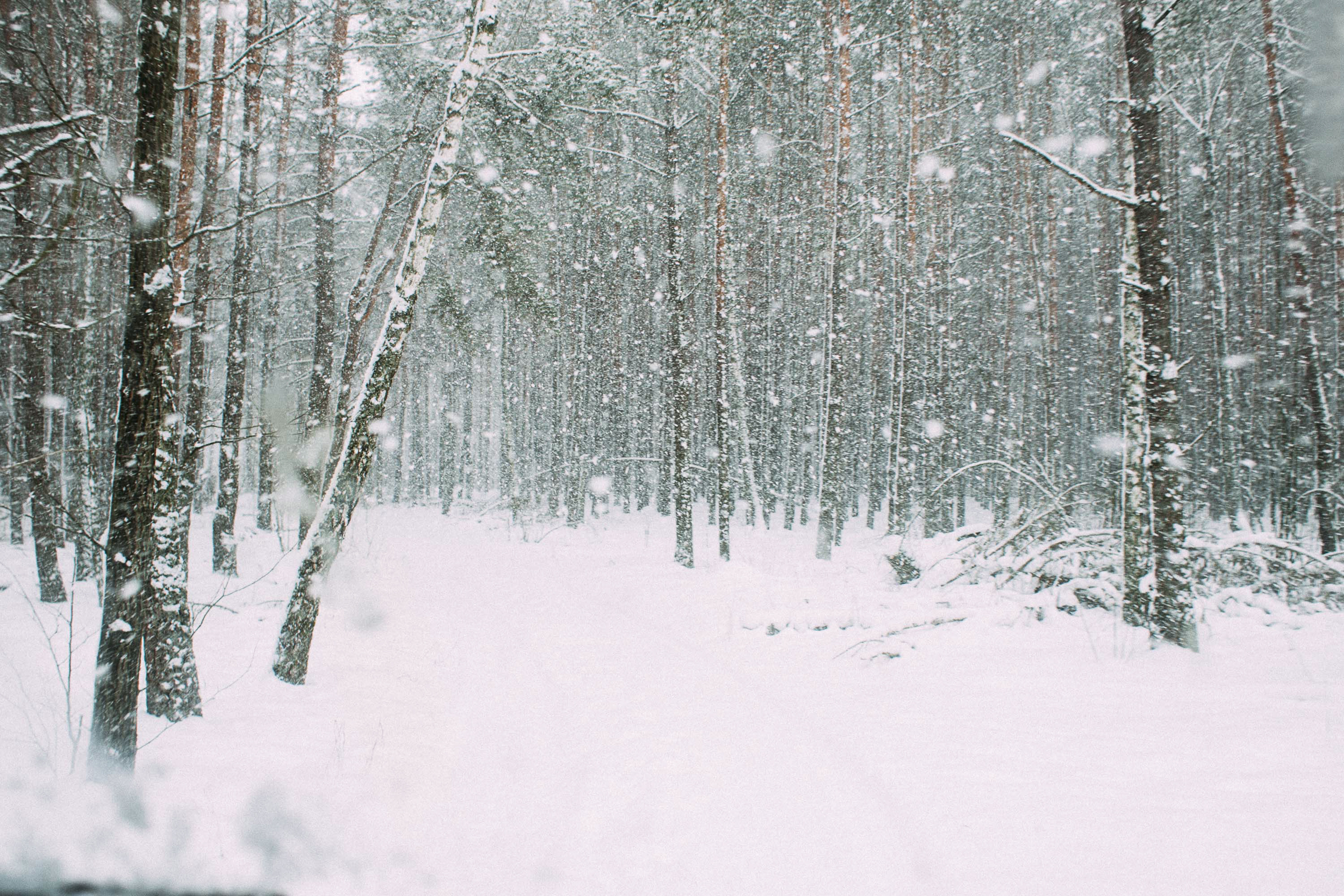
In the Chernobyl zone, I walk through a winter landscape ruled by silence. The snow covers the ground with a deceptive purity, muting its wounds, softening what cannot be erased. This is a place where poisoned apples still grow, as in the old tales: the orchards of Chernobyl, fertile, yet marked by danger, suspended between sustenance and threat.
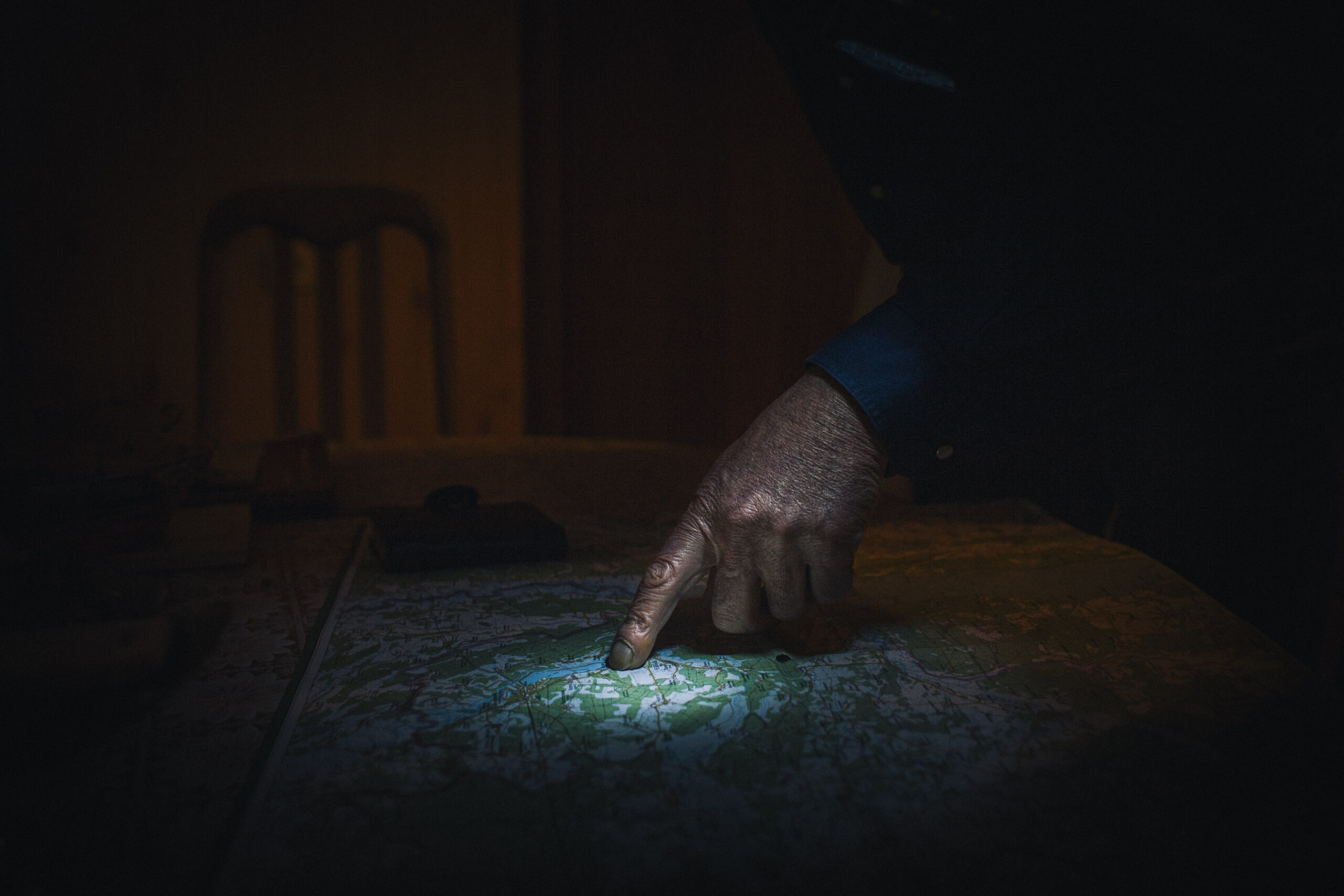
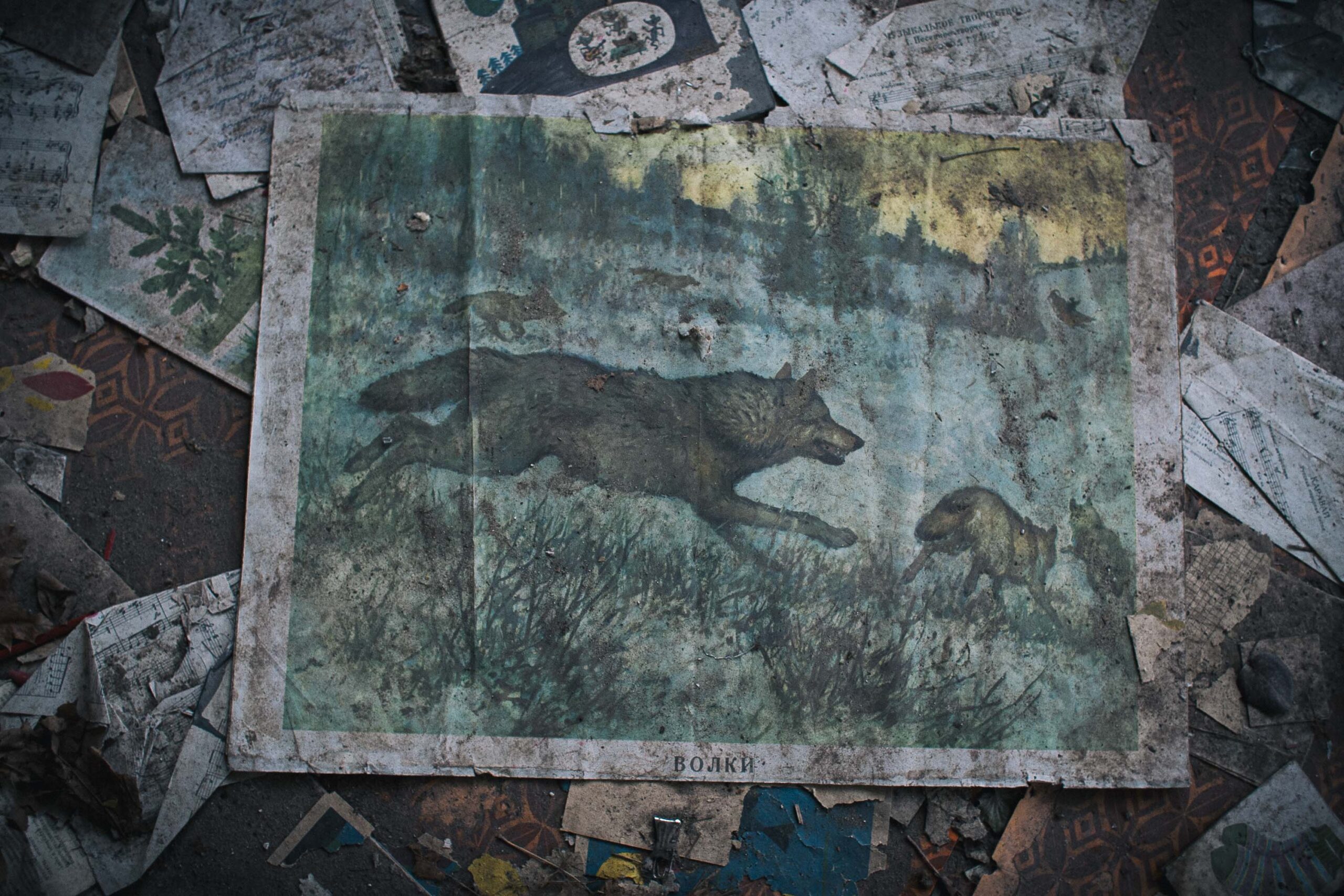
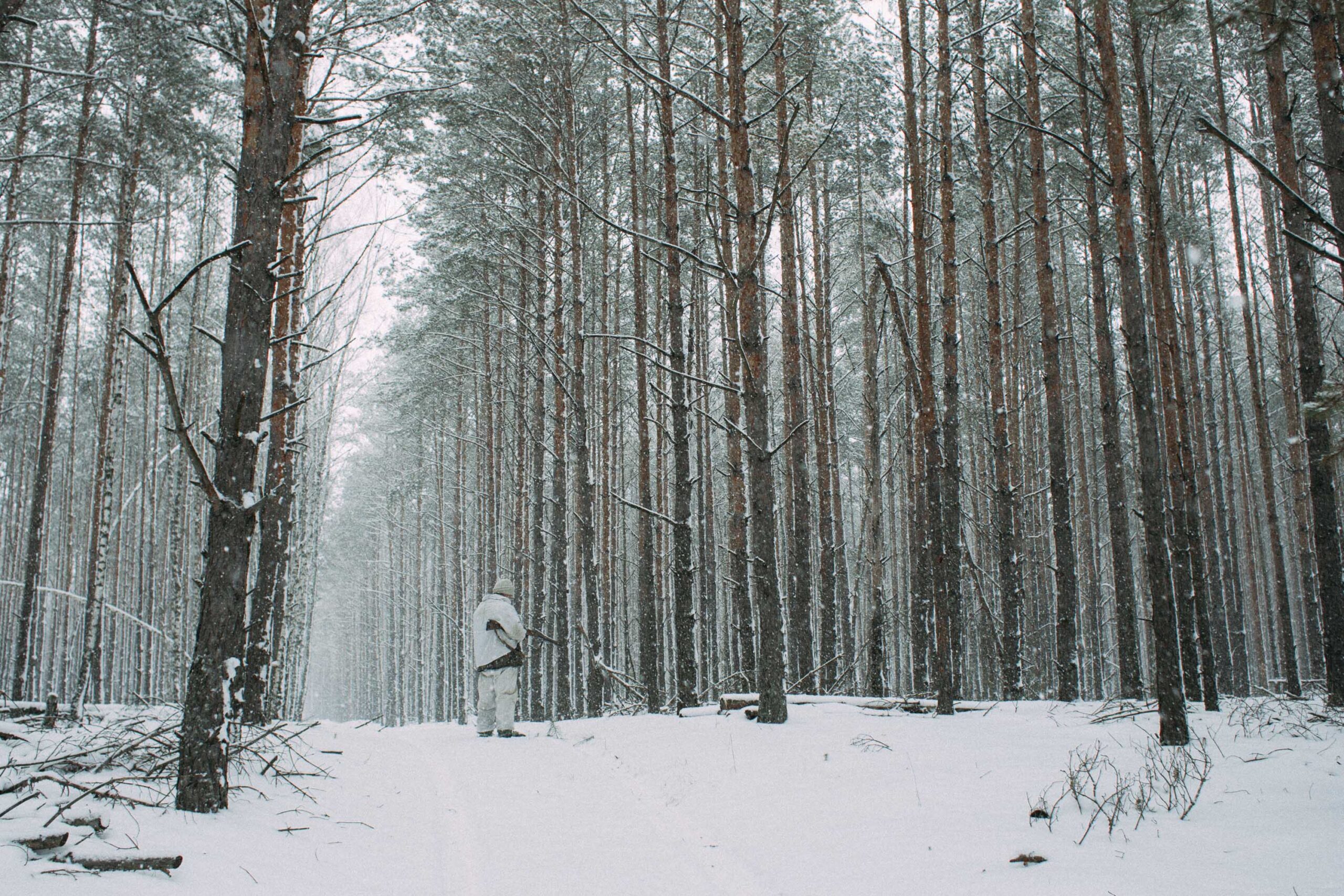
Here, the land continues to bear fruit despite the contamination, as if memory itself were rooted in the soil. Life persists in a quiet contradiction. I encounter hunters moving through the forest, tracking wolves across the exclusion zone, reading traces in a territory where nature has reclaimed its ground. The wolves, elusive and watchful, have become both presence and symbol: echoes of a wilderness that thrives in absence.
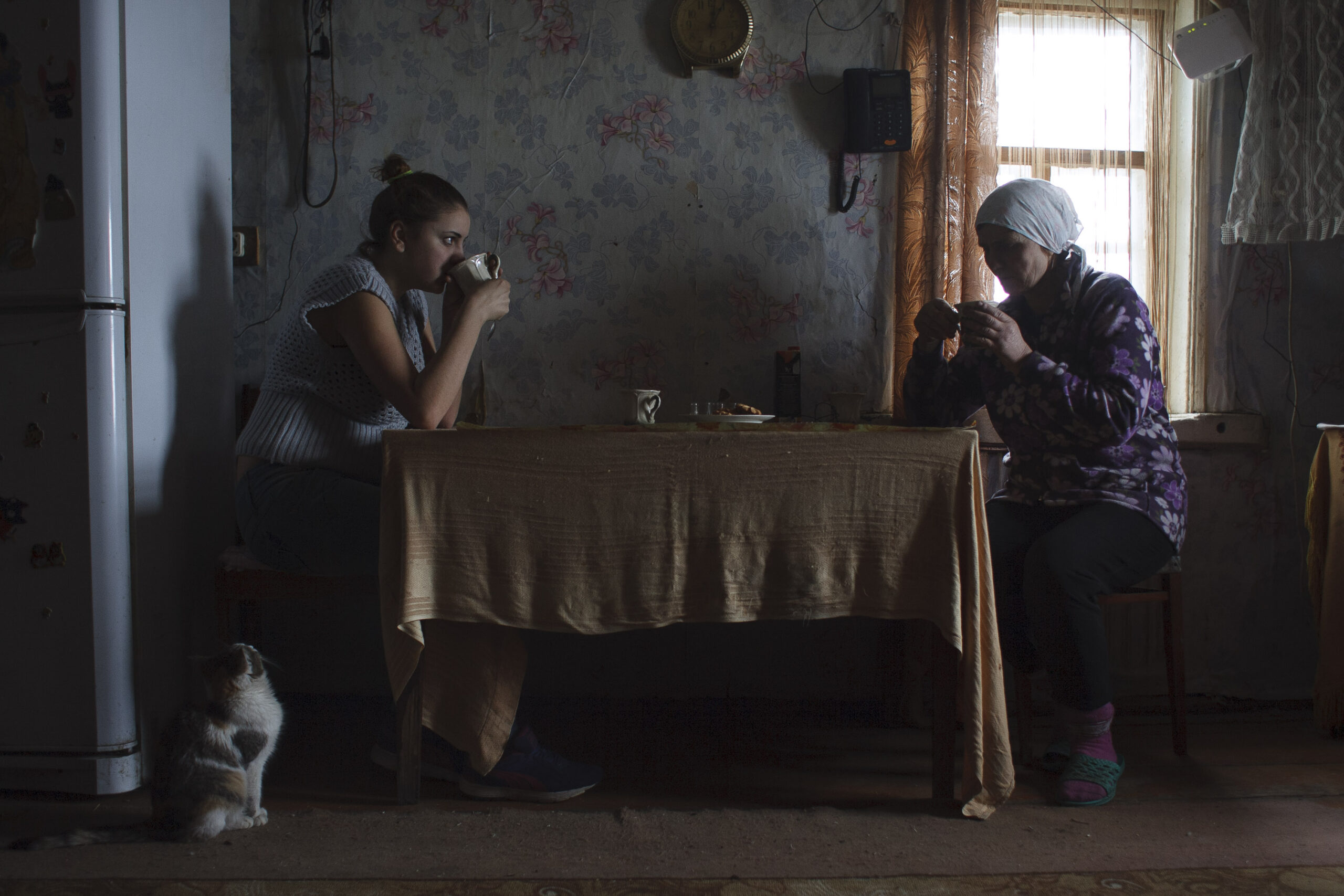
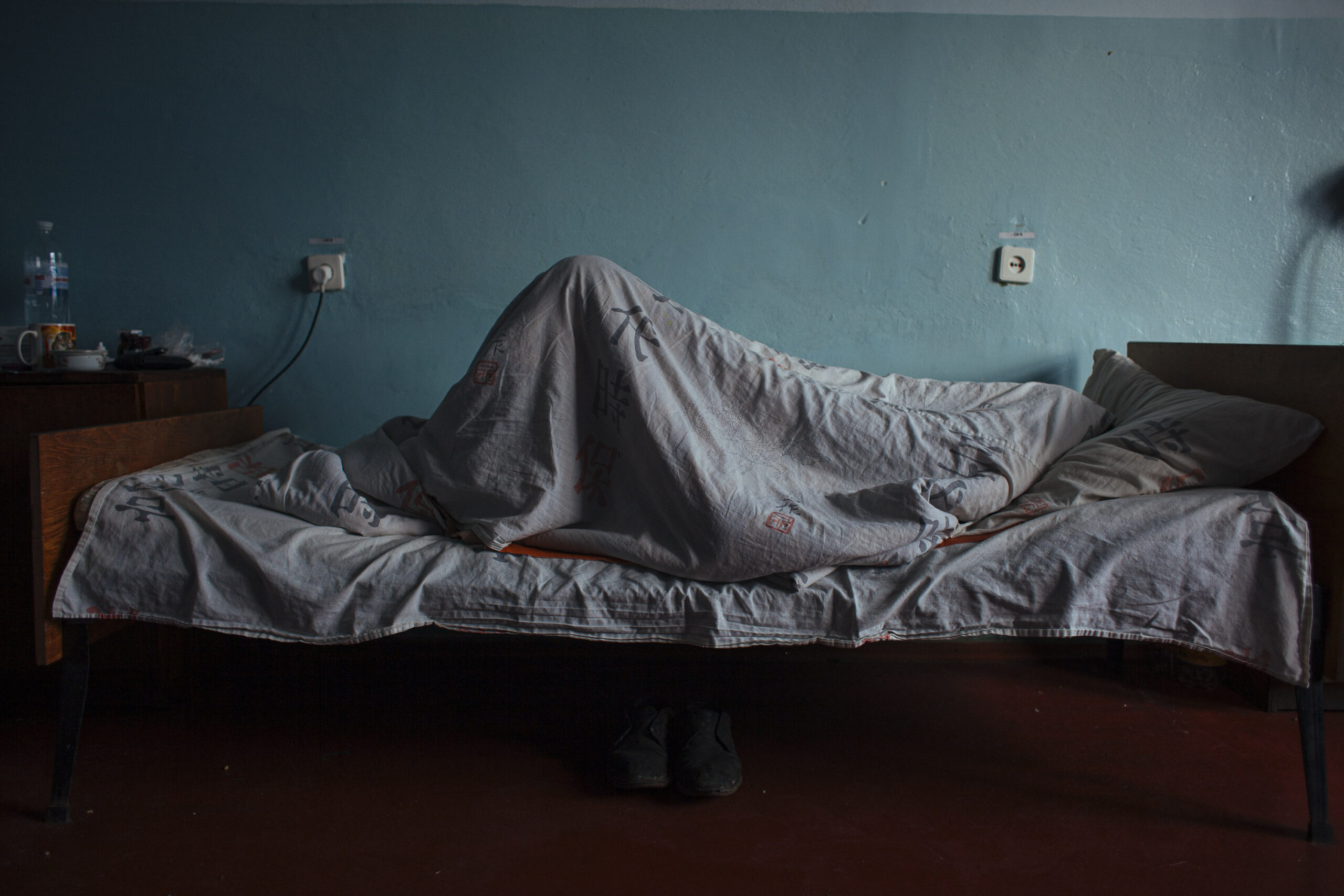
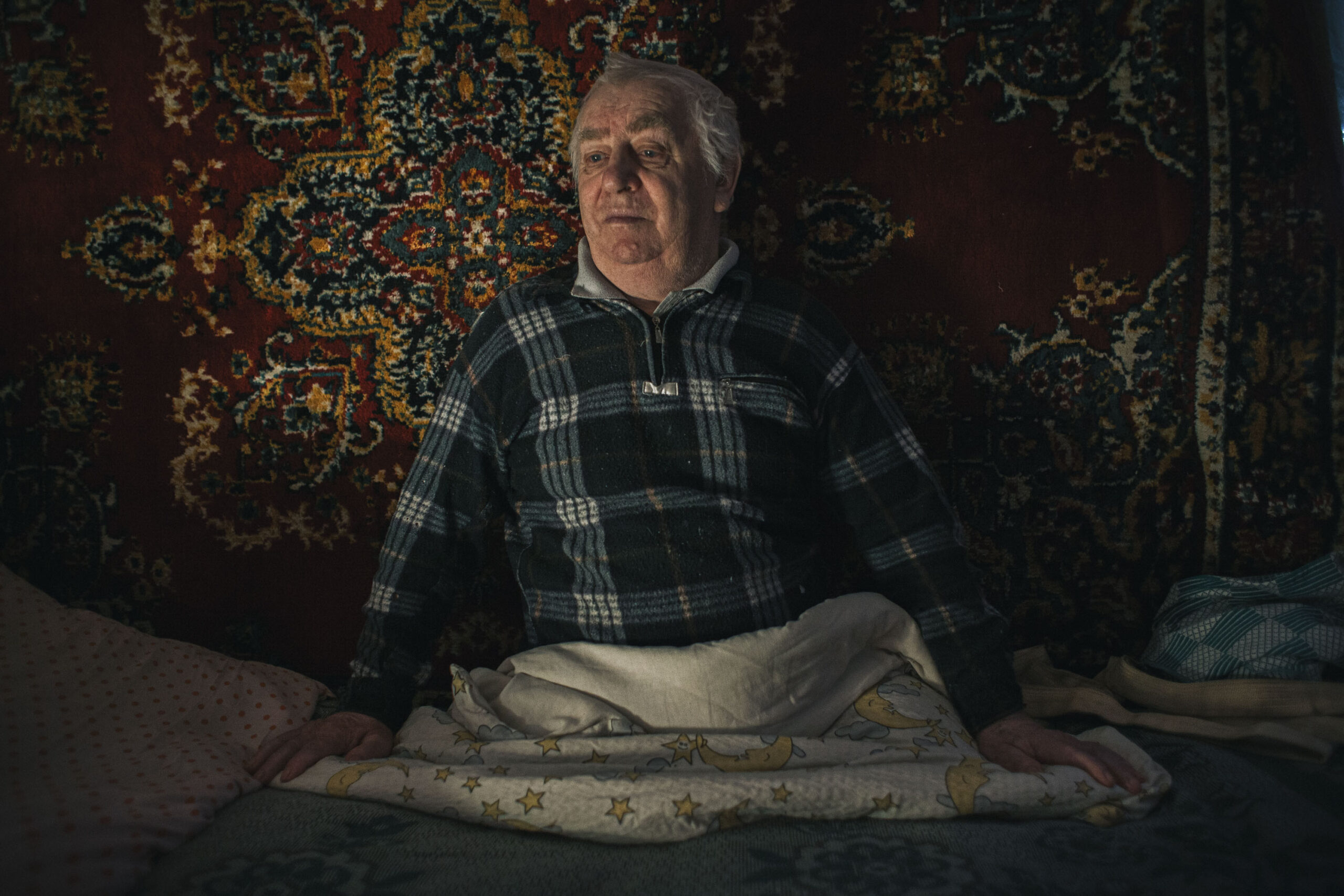
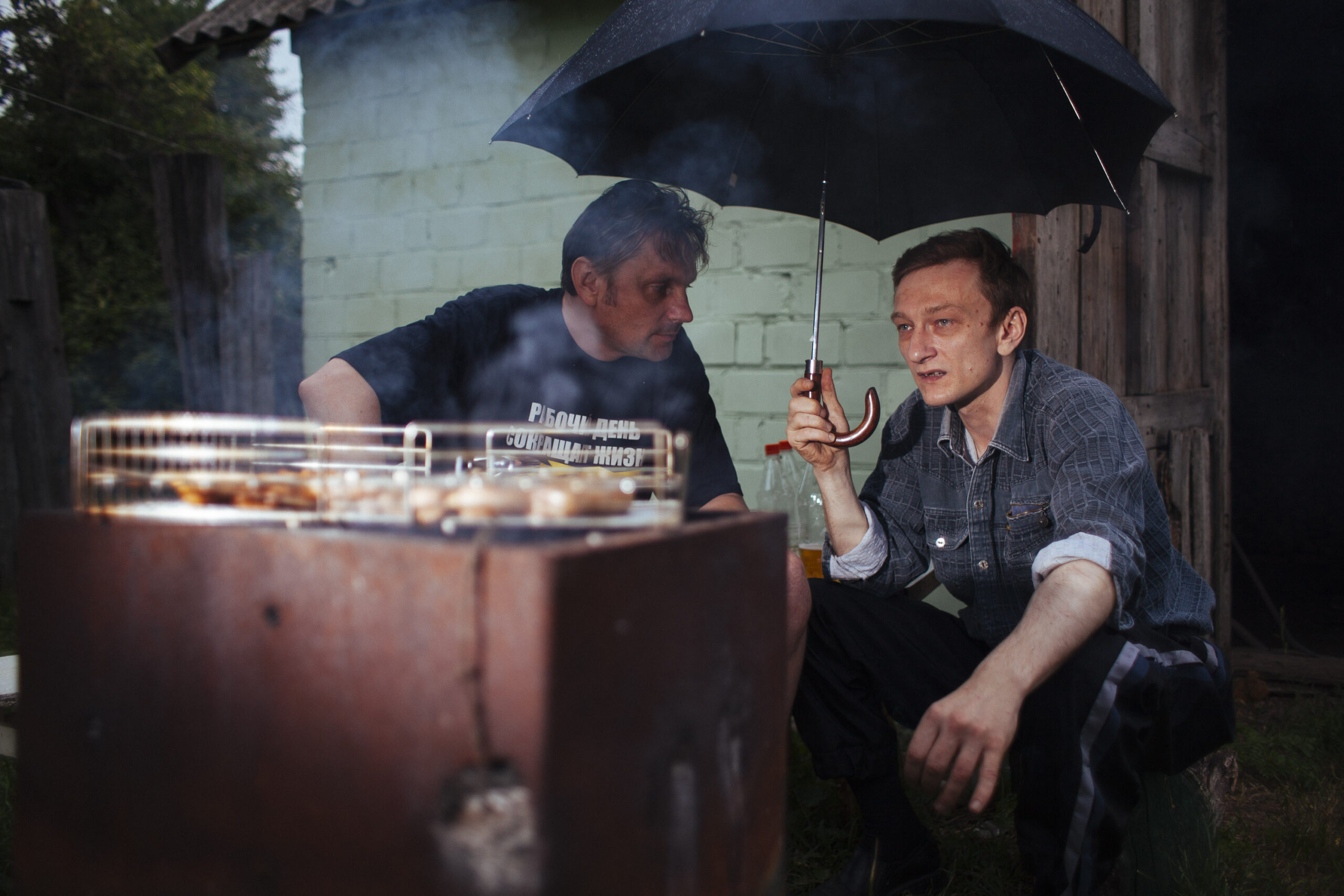
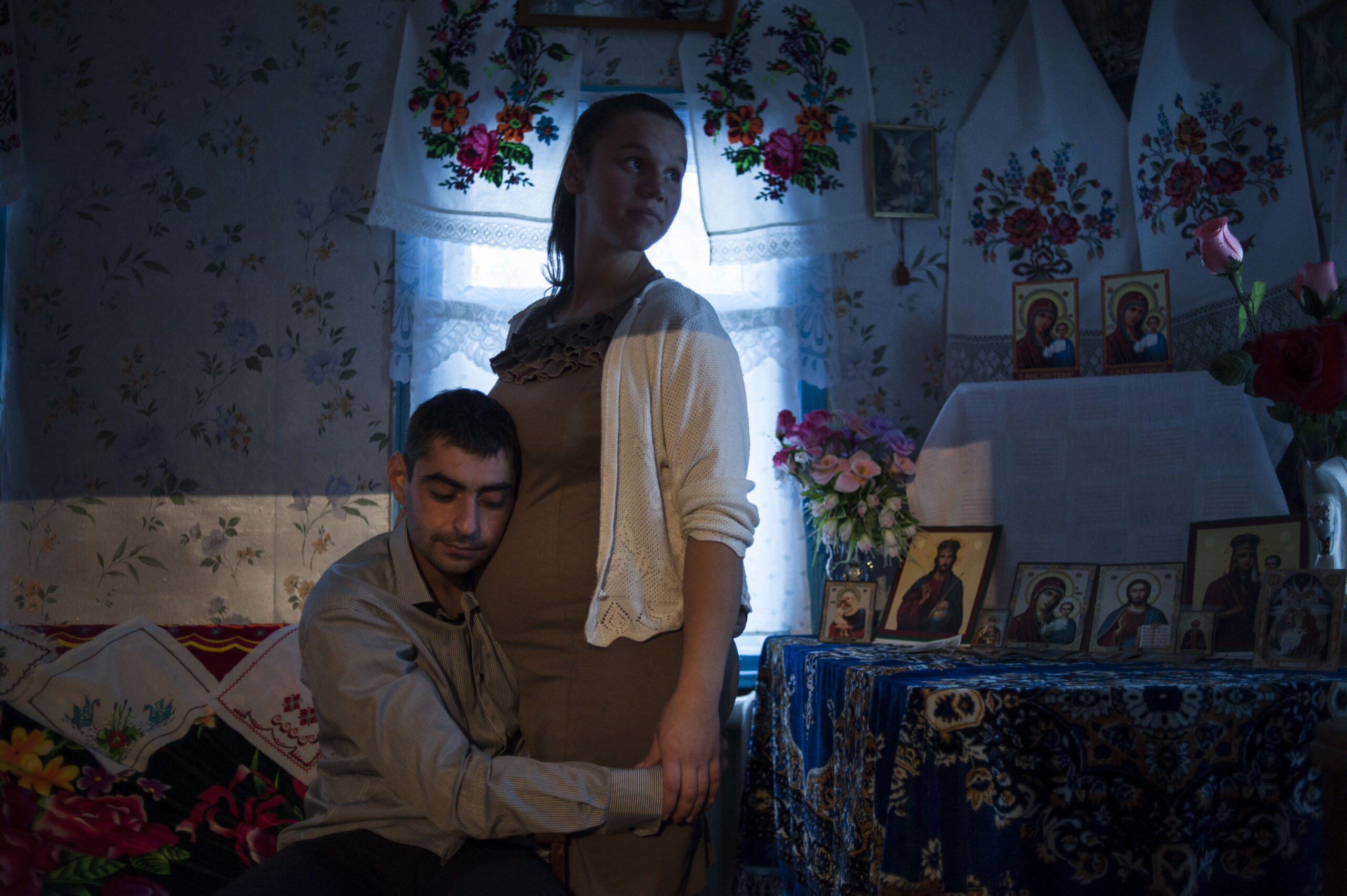
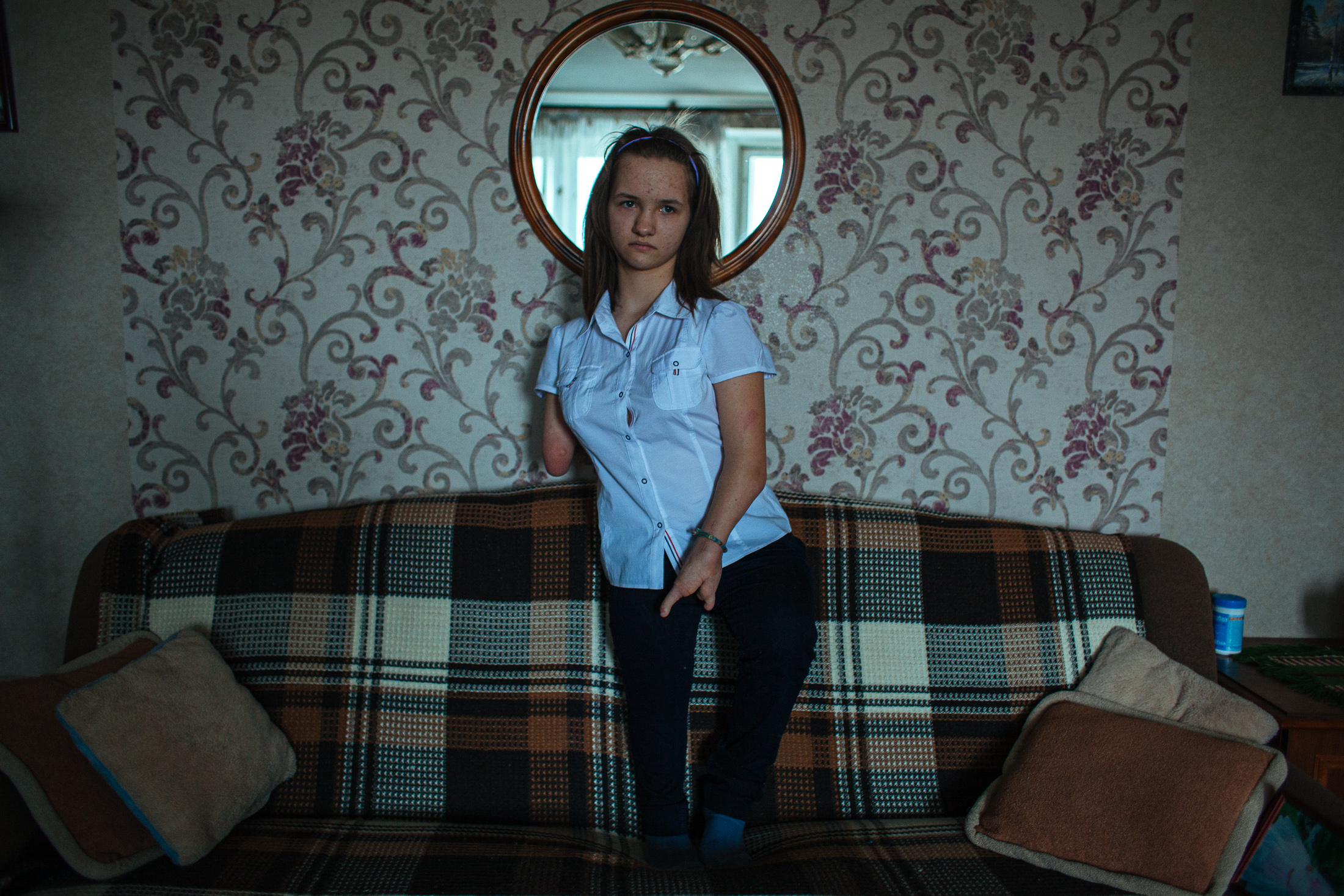
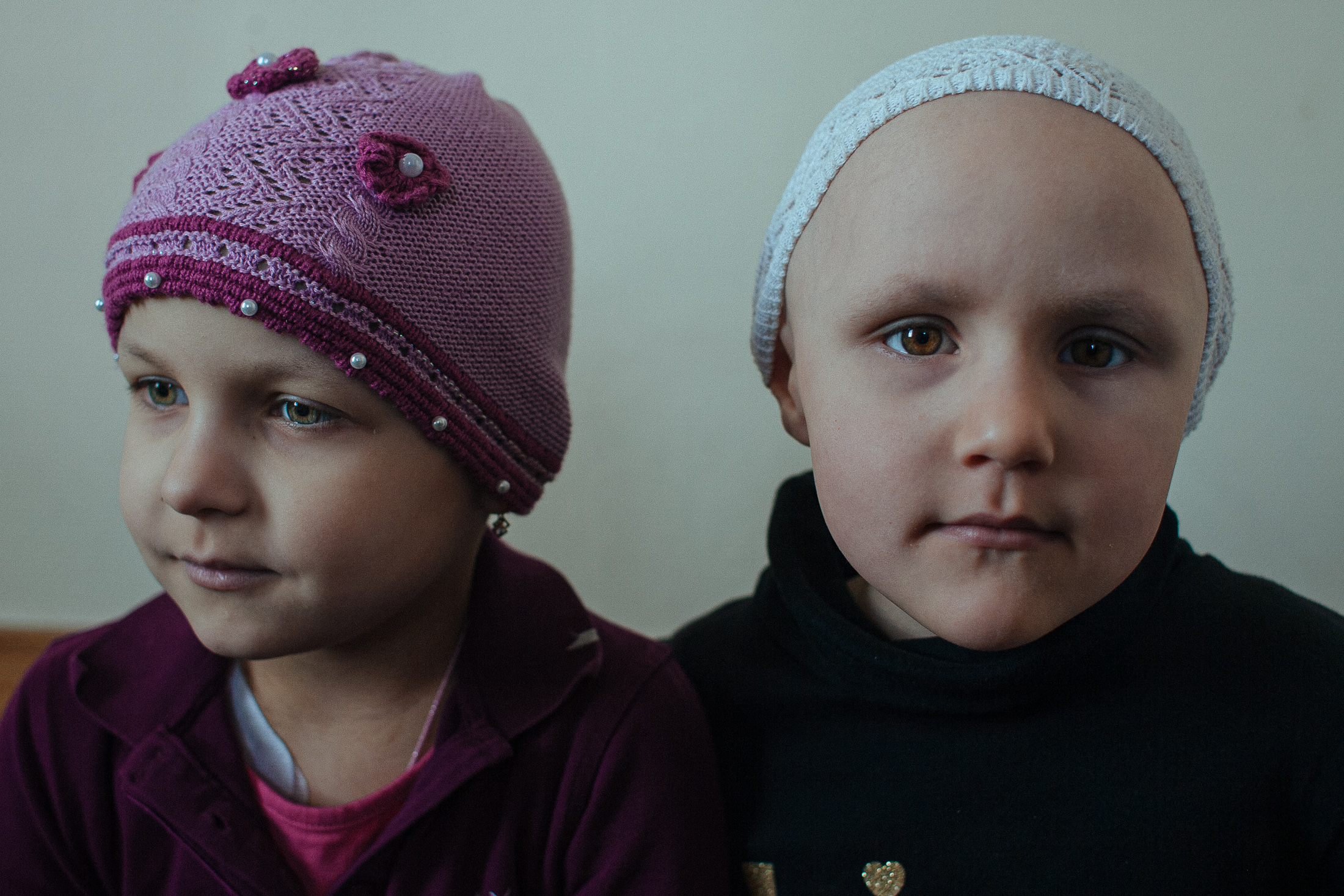
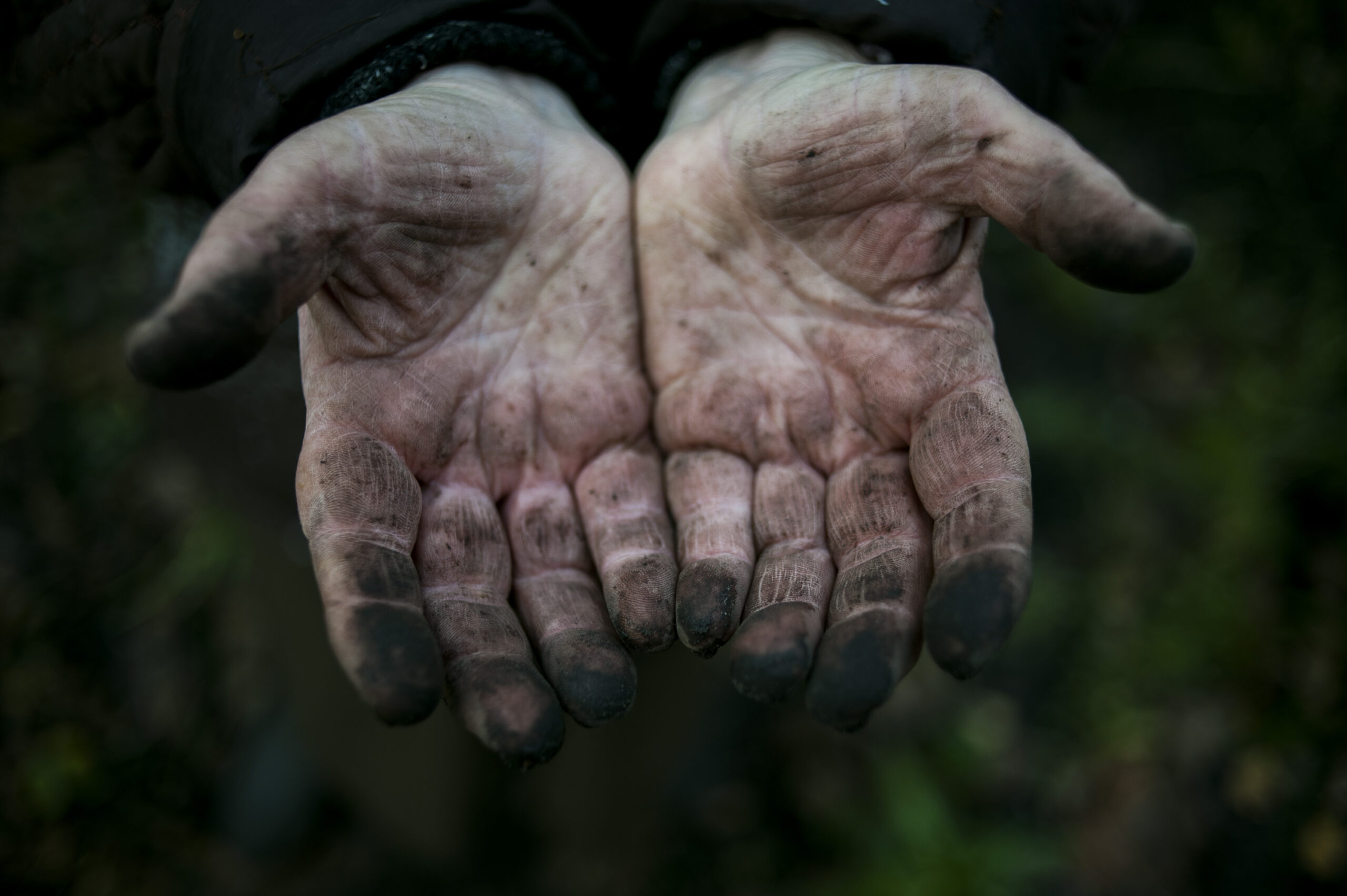
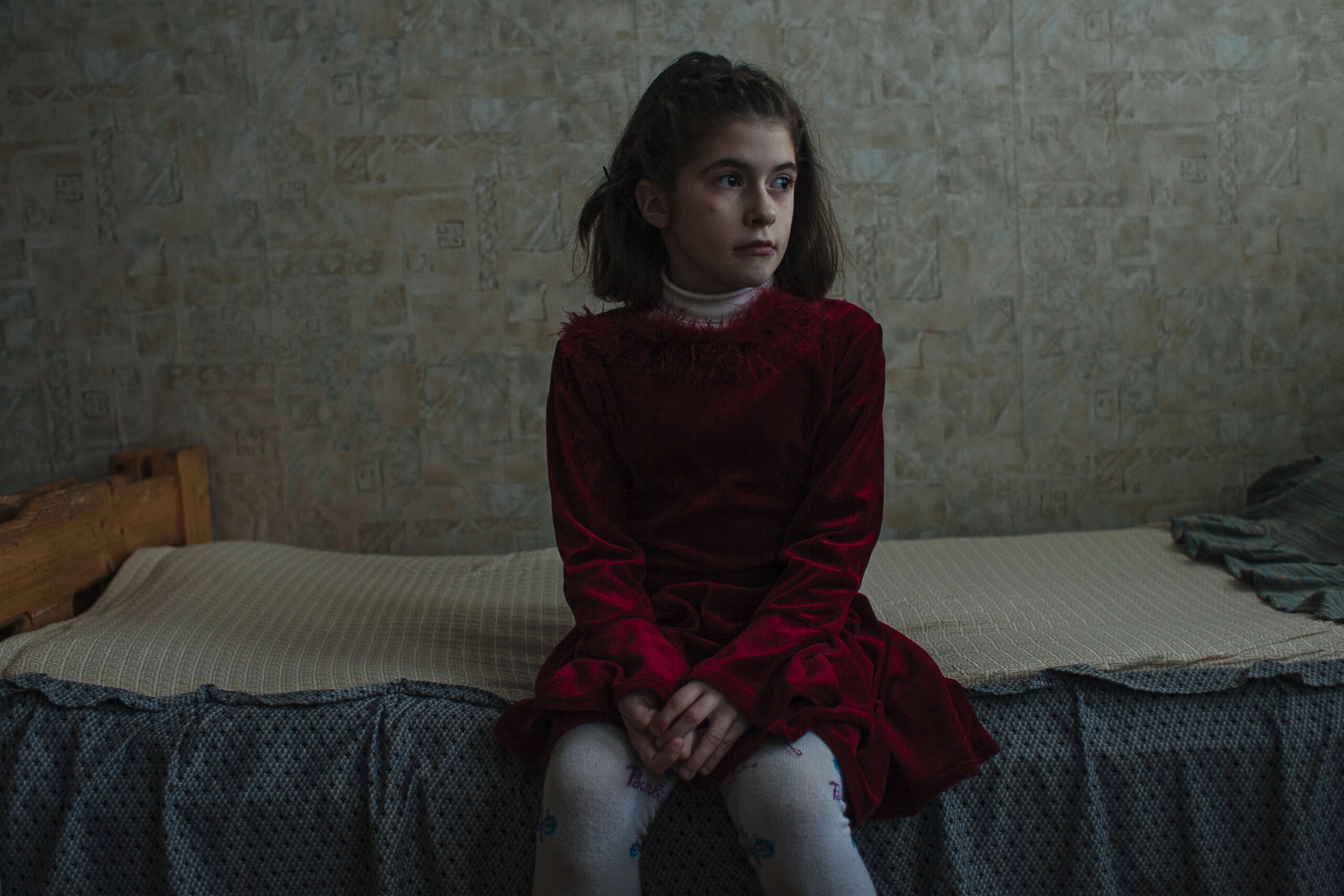
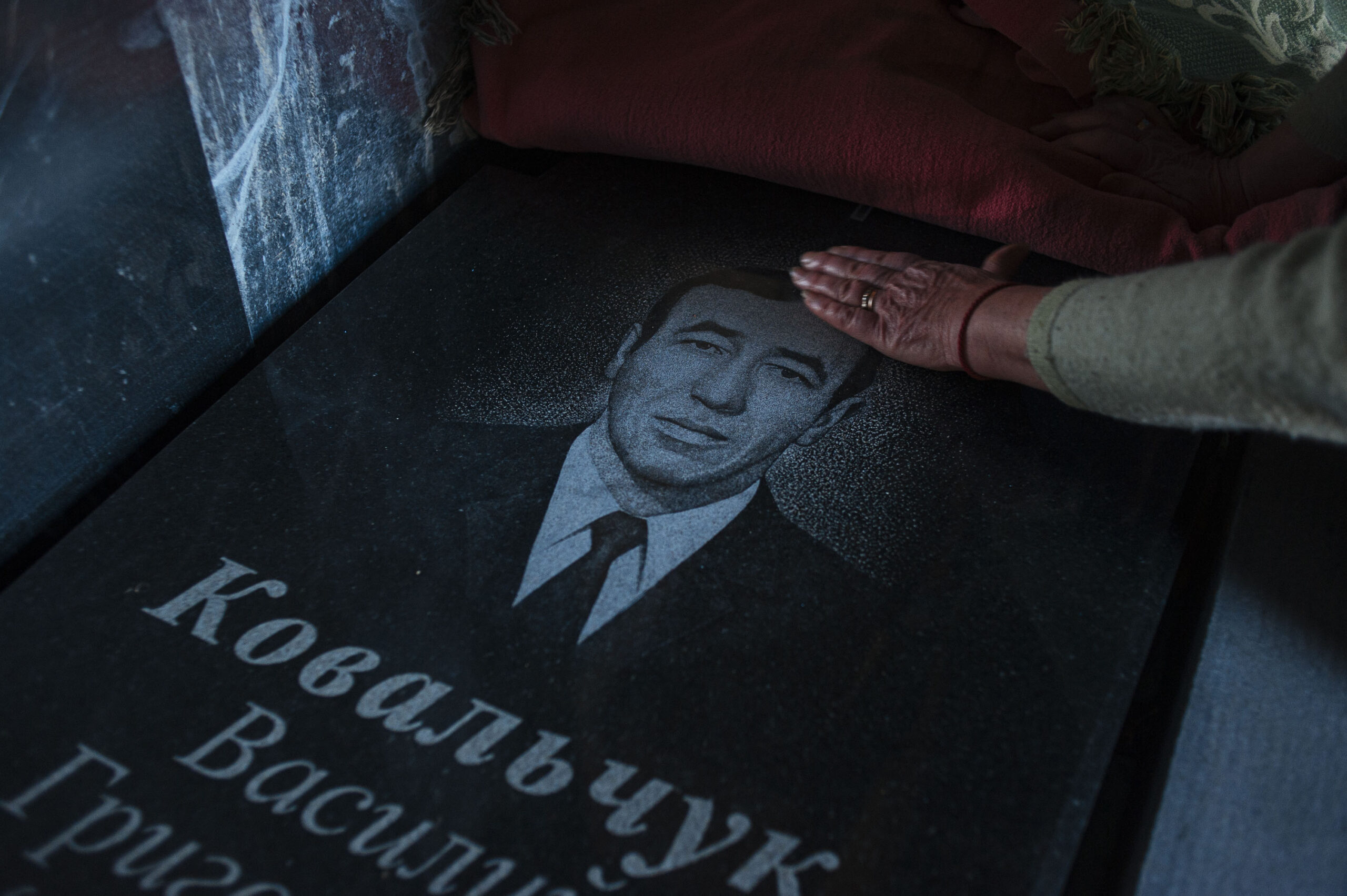
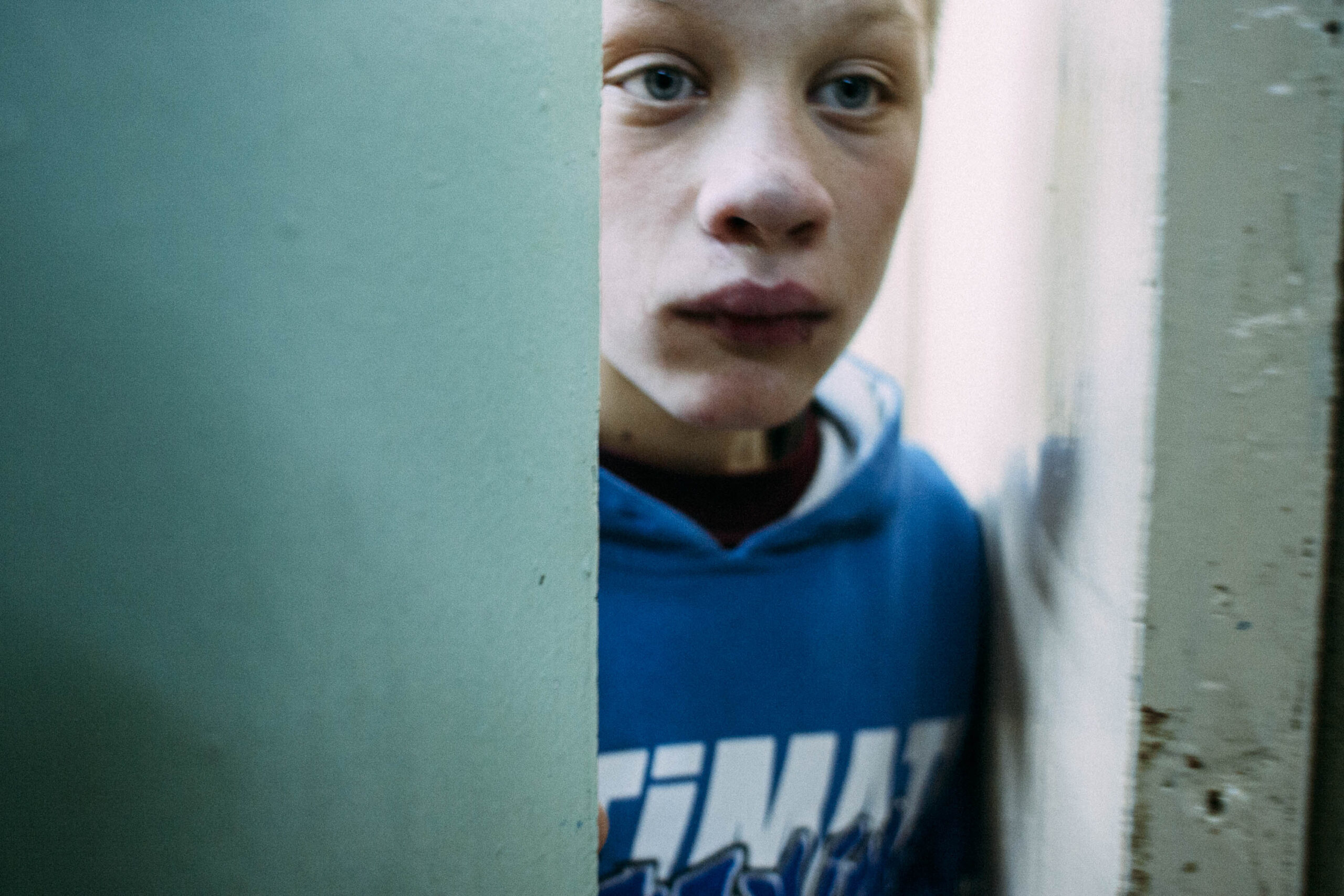
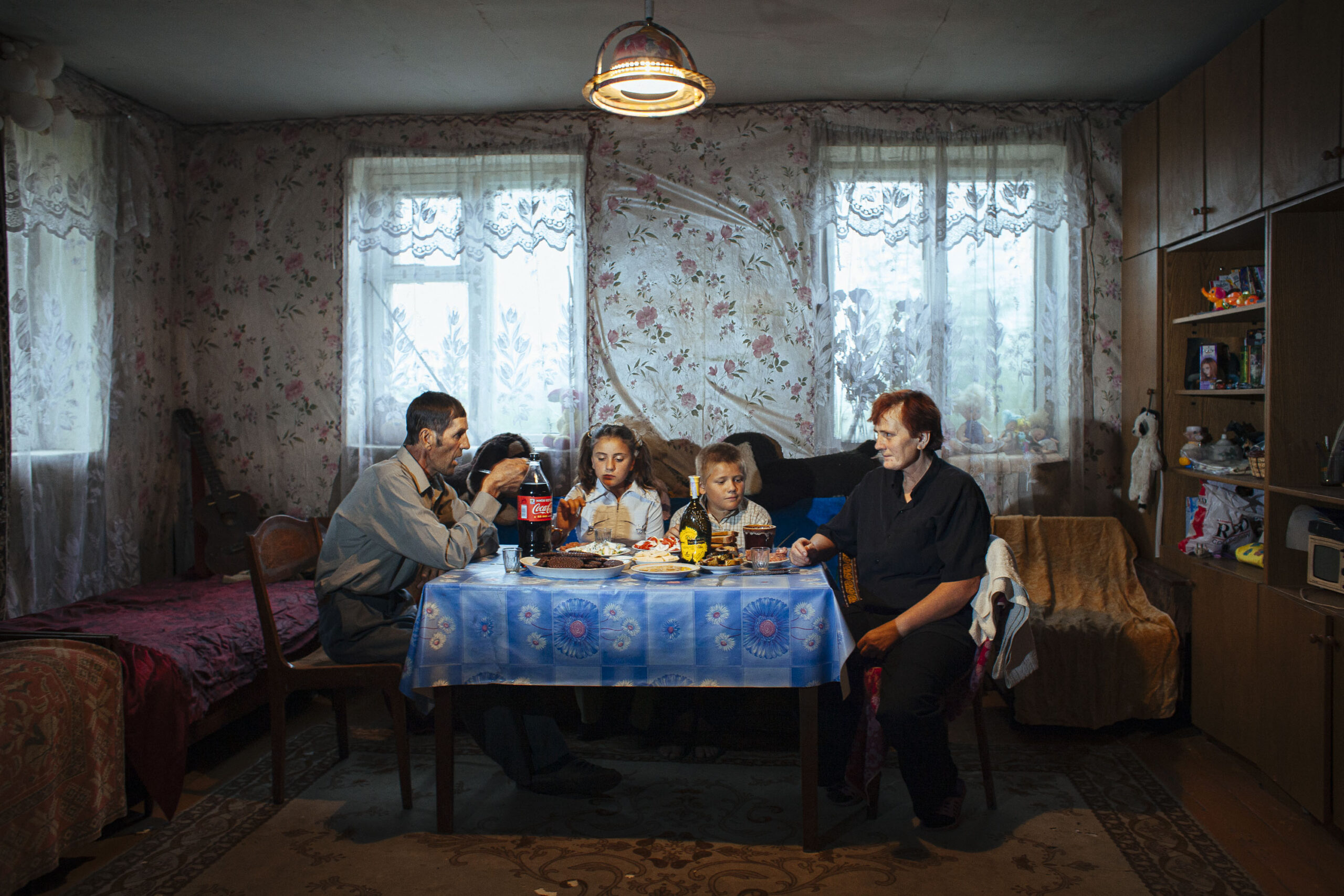
I speak with families where children and adults fight cancer in these contaminated lands, where the invisible persists as much in bodies as in fields. Their lives unfold in the shadow of something intangible, yet deeply felt. And still, there is resilience: stubborn, unspoken, enduring.
Like the stark, unyielding snow.
Like a Red Riding Hood lost in the forest.
Like the apple of an eternal tale: offered, bitten, again and again.